Author: Marla Jo Fisher
I’ve always been a contrary person. That’s why I ignored the beaten volcano-beach path in Costa Rica that had been traveled by so many of my friends.
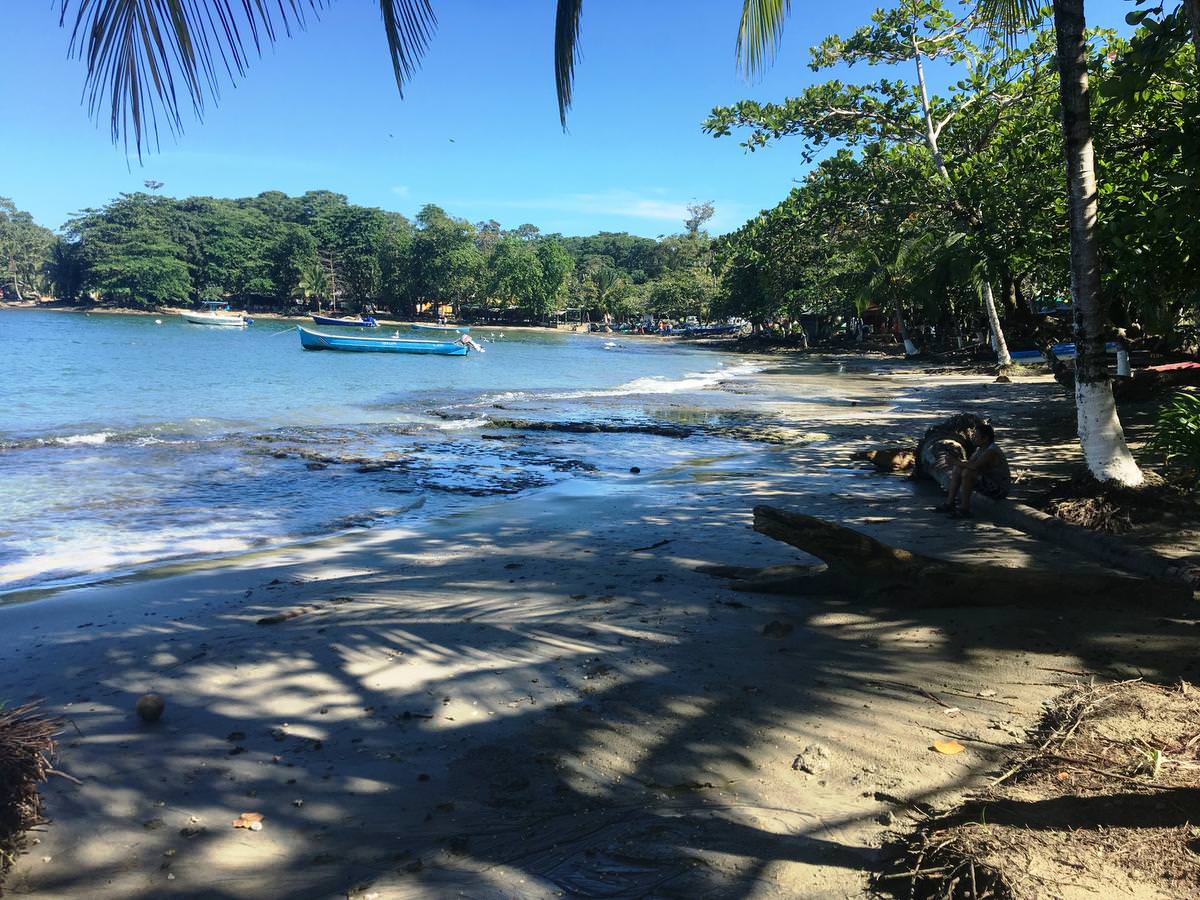
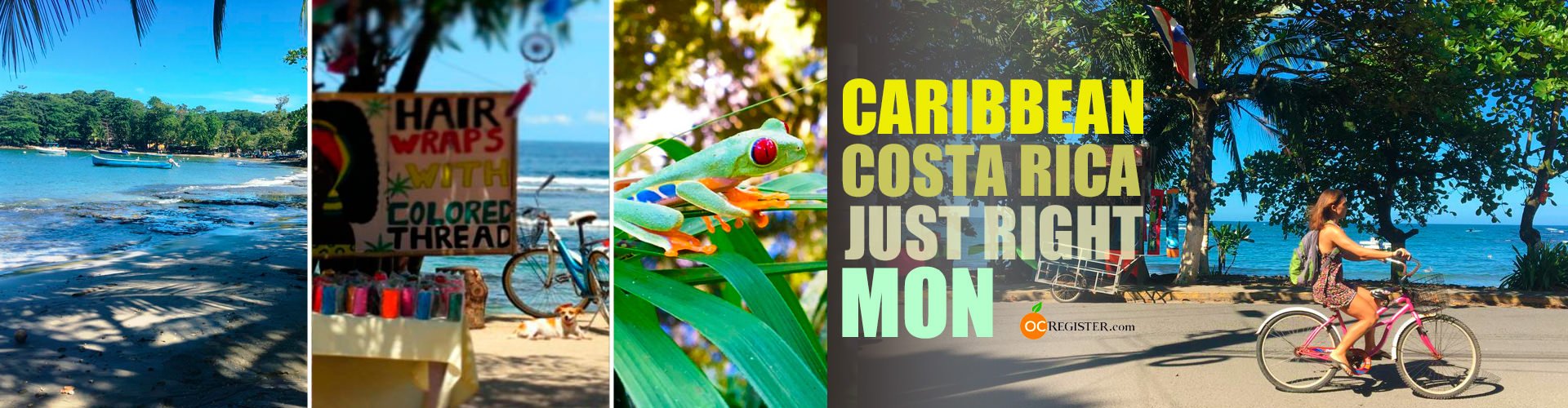
Instead, we chose the wilder Caribbean side of this Central American country, where development hasn’t taken off and everything is smaller and funkier, with a reggae vibe.
Most tourists ignore this eastern coastline of Costa Rica, which is just the way I like it. This region was settled by Jamaican immigrants who were brought in to work on the country’s railroads and then remained due to racial segregation.
That means that this province, called Limon, has much more English spoken – in a Jamaican patois – than the rest of the country. It also means that many residents have that laid-back Rastafarian vibe.
We settled on a small Caribbean town called Puerto Viejo de Talamanca in the southern part of the region, only two hours north of Panama.
I’m a little bit hippy-dippy at heart, so the low-scale development of this modest little beach town appealed to me, with most of the tourists being surfers, Europeans and yoga advocates.
I knew when I decided to visit Costa Rica that I never wanted to see a McDonald’s, a Holiday Inn or any other sign of American commercialism. Luckily, Puerto Viejo fits the bill. There’s not a Subway or Jack in the Box to be found.
What there is, however, is great food with a Jamaican flair – such as mouth-watering jerk chicken – and more than the rice and beans most typical of bland Costa Rican fare.
We arrived to Puerto Viejo and stayed at the adorable, small boutique hotel Banana Azul, which is right on the beach and owned by amiable Canadian expat Colin Brownlee. There is a small restaurant and bar on site and each room is a labor of love, with mosaic murals, local hardwoods and hanging ferns, and it’s deservedly so popular that it can be a struggle to get a reservation.
Read full article here

Puerto Viejo de Talamanca
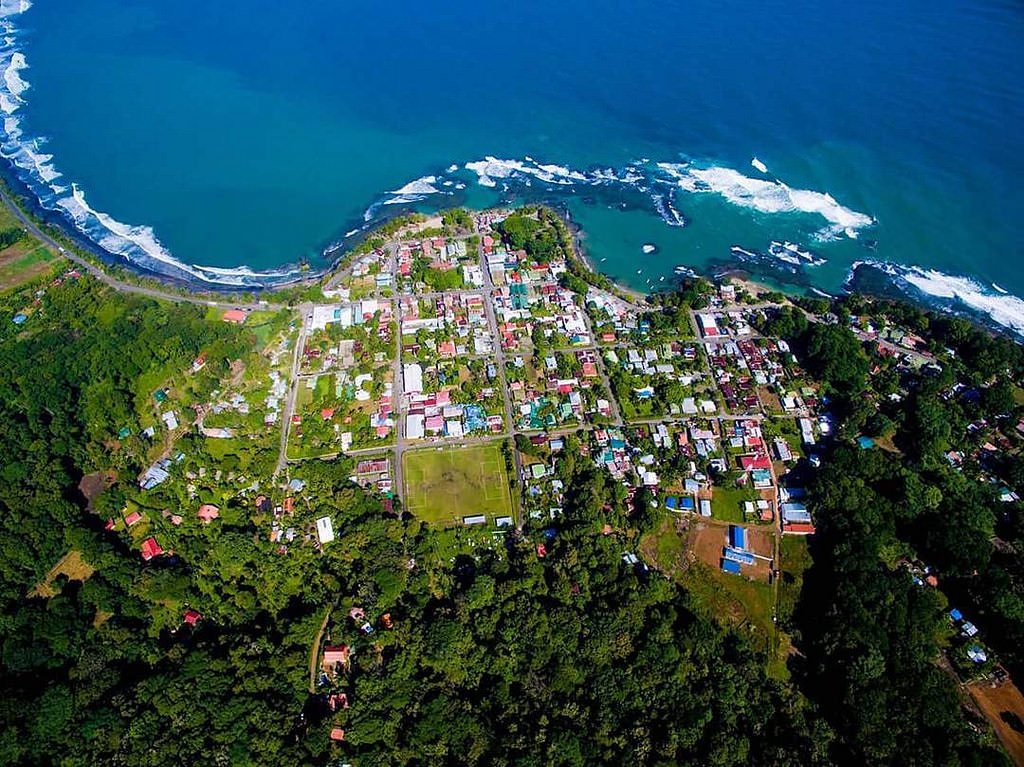
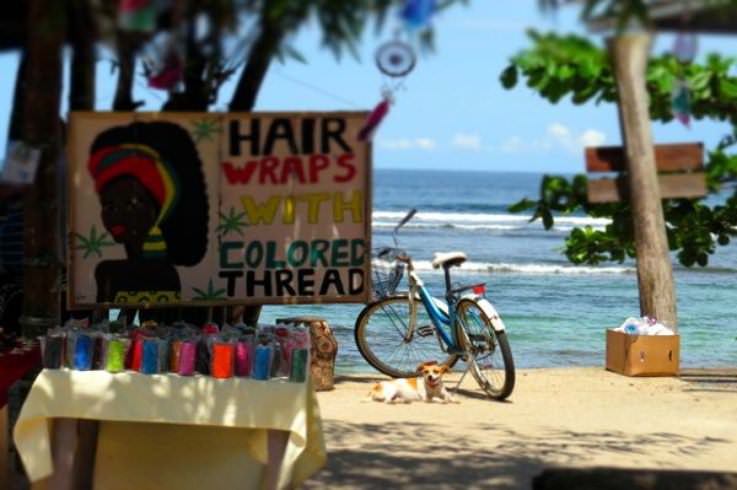
One of a series of beautiful Caribbean beaches up and down the coast of Puerto Viejo